Melasma & Pigmentation: Causes, Prevention, and Effective Clinical Treatments
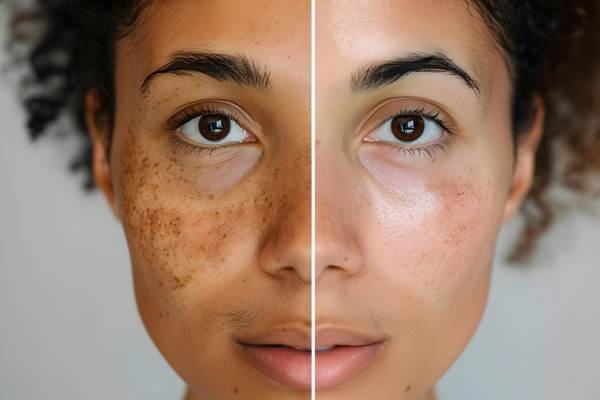
Melasma and pigmentation are common skin concerns that affect people of all ages, particularly those with darker or Indian skin tones. These conditions cause dark patches or uneven skin tone, often appearing on the face, and can impact self-confidence. Understanding their causes, preventive measures, and professional treatment options can help you achieve clearer, healthier skin.
What Causes Melasma and Pigmentation?
Melasma is a type of hyperpigmentation that appears as symmetrical, brown or gray-brown patches, often on the cheeks, forehead, upper lip, or chin. Common triggers include:
- Hormonal changes: Pregnancy, oral contraceptives, or hormone therapy can trigger melasma.
- Sun exposure: UV rays stimulate melanin production, worsening pigmentation.
- Genetics: A family history of melasma increases susceptibility.
Pigmentation, or dark spots, may result from various factors:
- Post-inflammatory hyperpigmentation from acne, cuts, or burns
- Excessive sun exposure
- Aging and sunspots
- Certain medications or skin conditions
Prevention Tips for Melasma and Pigmentation
Preventing pigmentation is often easier than treating it. Key preventive measures include:
- Daily Sun Protection: Use a broad-spectrum sunscreen with SPF 30 or higher, even indoors or on cloudy days. Reapply every 2–3 hours if outdoors.
- Protective Clothing: Wear hats, sunglasses, and UV-protective clothing to minimize sun exposure.
- Avoid Triggering Hormonal Factors: Discuss alternatives with your doctor if you notice pigmentation flare-ups due to contraceptives or medications.
- Gentle Skincare: Avoid harsh scrubs or chemical irritants that can worsen pigmentation.
- Healthy Lifestyle: Adequate hydration, balanced diet, and antioxidants help maintain skin health and reduce pigmentation risk.
Effective Clinical Treatments
While topical creams and home remedies can help to some extent, professional treatments are more effective and safer for persistent pigmentation:
- Chemical Peels: Chemical peels use medical-grade acids to exfoliate the top layers of skin, reduce pigmentation, and promote new cell growth. Superficial and medium-depth peels are commonly used for melasma and dark spots.
- Laser Therapy: Lasers like Q-switched Nd:YAG or fractional lasers target excess melanin, breaking it down for natural elimination. Laser treatments are effective for stubborn pigmentation and post-acne marks.
- Microneedling with PRP: Microneedling stimulates collagen production and enhances the penetration of brightening serums. Combined with platelet-rich plasma (PRP), it accelerates skin healing and improves texture.
- Prescription Topical Treatments: Dermatologists may prescribe creams containing hydroquinone, retinoids, kojic acid, or azelaic acid. These regulate melanin production and lighten dark patches safely under supervision.
- Combination Therapy: Often, the most effective approach combines multiple treatments, tailored to the severity and type of pigmentation. Regular follow-ups ensure long-term results and minimize recurrence.
Melasma and pigmentation can be frustrating, but understanding their causes and preventive measures is the first step toward clearer skin. Professional dermatological treatments, such as chemical peels, laser therapy, and prescription topical agents, offer effective solutions tailored to your skin type and concern. Combined with sun protection and gentle skincare, these treatments can significantly improve uneven skin tone, restore confidence, and help you maintain radiant, healthy skin.