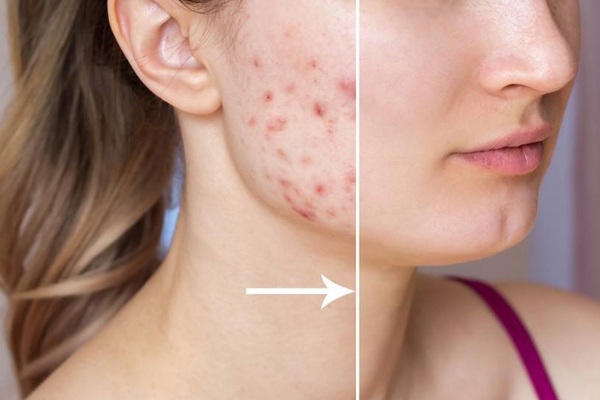
Acne Scar Solutions: Best Dermatologist-Recommended Treatments & Home Care Tips
Acne can be challenging enough, but the scars it leaves behind often linger long after the pimples have healed. Acne scars can affect self-confidence and may be difficult to treat with over-the-counter products alone. Fortunately, dermatologist-recommended treatments and proper home care can significantly reduce their appearance and restore smoother, healthier skin.
Understanding Acne Scars
Acne scars are caused by inflammation during the healing of acne lesions. They occur when the skin’s collagen production is disrupted, leading to uneven texture. There are different types of acne scars:
- Atrophic scars: Depressed scars that form small indentations in the skin. These include ice-pick, boxcar, and rolling scars.
- Hypertrophic or keloid scars: Raised scars caused by excess collagen production.
- Hyperpigmentation: Dark spots left after acne heals, more common in darker skin tones.
Identifying the type of scar is essential for selecting the most effective treatment.
Dermatologist-Recommended Treatments
- Chemical Peels: Chemical peels use medical-grade acids to remove the outer layer of damaged skin, promoting new cell growth and reducing pigmentation. Superficial and medium-depth peels are commonly used for mild acne scars and post-acne marks.
- Microneedling: Microneedling involves tiny, controlled punctures in the skin that stimulate collagen and elastin production. It improves skin texture, reduces depressed scars, and can be combined with platelet-rich plasma (PRP) for enhanced results.
- Laser Therapy: Fractional and ablative lasers target scar tissue and promote collagen remodeling. Laser treatments are highly effective for deeper scars and uneven texture, offering noticeable improvement over multiple sessions.
- Dermal Fillers: Fillers like hyaluronic acid can temporarily lift depressed scars, smoothing the skin’s surface. This is often used for rolling or boxcar scars that create noticeable indentations.
- Subcision: Subcision is a minor surgical technique where a dermatologist releases fibrous bands beneath the scar, allowing the skin to rise naturally and reduce the appearance of deep, tethered scars.
Home Care Tips to Support Scar Healing
- Sun Protection: UV exposure can worsen pigmentation. Apply broad-spectrum sunscreen daily.
- Gentle Cleansing: Avoid harsh scrubs that can irritate scarred skin and delay healing.
- Topical Treatments: Dermatologist-prescribed creams containing retinoids, vitamin C, or azelaic acid can help fade pigmentation and improve skin texture.
- Healthy Lifestyle: Adequate hydration, a balanced diet, and proper sleep support skin repair and overall health.
- Avoid Picking: Refrain from squeezing or picking acne lesions to prevent new scars.
Combining Professional Care and Home Maintenance
Acne scar improvement is most effective when professional treatments are combined with a consistent home skincare routine. Dermatologists tailor treatment plans based on scar type, severity, and your skin’s response, ensuring safe and long-lasting results.
Acne scars are a common concern but can be significantly reduced with dermatologist-recommended treatments like chemical peels, microneedling, laser therapy, and fillers. Coupled with proper home care—including sun protection, gentle cleansing, and topical treatments—you can improve skin texture, reduce pigmentation, and restore confidence. Consulting a qualified dermatologist ensures a personalized approach and the best possible outcome for smoother, healthier skin.